
by Sonia Roman | May 6, 2025 | For Buyers, For Sellers, Inventory
The U.S. housing market in 2025 is deeply divided. Some people are building wealth through rising home values, while others are struggling just to pay rent. This growing gap has created two very different housing markets—and the divide is only getting worse.
1. Homeowners Are Winning, Renters Are Struggling
One of the biggest divides is between homeowners and renters.
- Homeowners, especially those who bought before 2022, are locked into low mortgage rates. Many are paying less than 4% interest and have built up a lot of home equity.
- Renters, on the other hand, face higher housing costs. Monthly rent prices have increased sharply in many cities, and buying a home is harder than ever due to high prices and interest rates.
This “lock-in effect” means fewer homes are for sale, making it tough for renters to enter the market.
2. City vs. Suburbs: Where People Are Moving
Since the pandemic, people have been moving out of crowded cities and into the suburbs or rural areas.
- Urban housing markets are slowing down. Places like New York and San Francisco are still recovering.
- Suburban and rural housing markets are booming, especially in states like Texas, Florida, and North Carolina.
This shift is driven by remote work, more space, and better affordability outside city centers.
3. Luxury Homes Sell Fast—Starter Homes Are Scarce
There’s also a divide between high-end and entry-level homes.
- Luxury homes are still in demand. Many buyers pay in cash and aren’t affected by interest rate hikes.
- Affordable homes are very hard to find. Rising construction costs and local building rules make it difficult to build small, affordable houses.
This makes it especially hard for first-time homebuyers to get started.
4. Different Markets in Different States
The housing market varies a lot depending on location.
- States like Florida, Texas, and Arizona are seeing fast growth.
- Some cities like Austin and Boise, which had major booms during the pandemic, are now seeing home prices drop.
These regional differences mean that national trends don’t tell the full story.
5. Economic Impact of the Housing Divide
This split in the housing market affects more than just real estate.
- People can’t move for jobs if they can’t afford a new home.
- Renters can’t build wealth the way homeowners can.
- The construction industry is slowing down due to high costs and labor shortages.
All of this can slow down economic growth and increase wealth inequality.
6. How to Fix the Two-Tier Housing Market
Fixing this housing divide won’t be easy, but there are solutions:
- Change zoning laws to allow more affordable housing.
- Offer down payment help for first-time buyers.
- Support the construction of rental housing.
- Make the permitting and building process faster and cheaper.
These steps can make housing more fair and accessible for everyone.

by Sonia Roman | Dec 17, 2024 | First-Time Buyers, Inventory
In recent months, a notable shift has been taking place in the housing market. More starter homes are becoming available for prospective buyers, particularly those looking to enter the market for the first time. Starter homes—affordable properties typically aimed at first-time homebuyers—have long been in short supply, but this trend is starting to change. With more of these homes hitting the market, potential buyers are presented with more opportunities to purchase a property at a lower price point. This shift is driven by several factors, including increased construction, changing buyer preferences, and broader economic trends.
1. Increased New Construction
Builders have responded to the growing demand for affordable housing by ramping up the construction of entry-level homes. Many real estate developers and builders have been focusing on smaller, more budget-friendly properties that cater to first-time buyers. This shift in focus comes at a time when many urban and suburban areas are experiencing housing shortages. By building more starter homes, developers are hoping to ease some of the pressure on the market, creating more options for homebuyers at a time when affordability is a top concern.
2. Lower Mortgage Rates Help Improve Affordability
While mortgage rates have fluctuated throughout the year, the general trend of lower rates in certain periods has made homeownership more accessible, particularly for first-time buyers. For those seeking to purchase starter homes, a lower interest rate can significantly improve affordability, reducing monthly payments and making it easier for buyers to enter the housing market. This combination of more affordable homes and lower borrowing costs is making it possible for many buyers to take the leap into homeownership.
3. Shifts in Consumer Preferences
Changing consumer preferences also play a key role in the rise of starter homes. In recent years, many homebuyers have shifted away from the desire for larger, more expensive homes in favor of smaller, more affordable properties. This shift could be attributed to various factors, including economic uncertainty, inflation, and changing lifestyle needs. As people become more conscious of their budgets and overall lifestyle, many are opting for smaller homes with fewer maintenance requirements, which fits well within the category of starter homes.
4. Government Support and Incentives
Government initiatives aimed at supporting first-time homebuyers have also contributed to the growing availability of starter homes. Programs such as first-time buyer grants, subsidized mortgage rates, and special lending programs make it easier for people to purchase a home, even in a market where home prices are rising. These government-backed programs help reduce some of the financial barriers associated with homeownership, further stimulating demand for entry-level properties.
5. Investor Interest in Entry-Level Housing
The housing market has also seen increased interest from investors, particularly in the entry-level housing sector. Investors are buying, renovating, and flipping starter homes, helping to replenish the market with more affordable options. While this has led to some concerns about the impact of investor activity on home prices, it has, in many cases, made more starter homes available for resale. As the market becomes more attractive to investors, this trend could continue to result in increased availability of entry-level homes.
6. Demographic Shifts: The Millennial Effect
The millennial generation has emerged as one of the largest groups of homebuyers in the market today. With many millennials reaching the stage of life where they are looking to settle down, start families, or invest in property, their demand for starter homes is creating significant market pressure. As millennials represent a large portion of the first-time buyer pool, builders and sellers are adjusting to cater to this demand by offering more affordable and smaller homes. This demographic shift is not only changing the types of homes being built but also shaping overall market trends.
Challenges Remain Despite Increased Availability
While the increase in starter homes is a positive development, challenges still remain for potential homebuyers. The availability of these homes varies by region, and in many markets, there is still fierce competition for affordable properties. Limited inventory in certain areas can drive up prices, making it difficult for first-time buyers to find homes within their budget. Additionally, rising costs of construction materials, labor shortages, and zoning regulations can limit the overall supply of new homes, even as builders work to meet demand.
Looking Ahead: A Hopeful Outlook
Despite these challenges, the fact that more starter homes are hitting the market is a promising sign for first-time buyers. As the housing market continues to evolve, it’s likely that we will see more affordable options becoming available, particularly in urban and suburban areas. The combination of increased construction, lower mortgage rates, changing consumer preferences, and government incentives are all working together to improve accessibility to homeownership for many.
As buyers weigh their options, the growing availability of starter homes represents a step in the right direction for those looking to purchase their first property. While obstacles remain, the continued push for more affordable homes signals a positive shift in a market that has long been challenging for entry-level buyers. The future of homeownership may be bright, and for many, the dream of owning their first home may be closer within reach than ever before.

by Sonia Roman | Dec 10, 2024 | Affordability, Home Prices, Inventory
As inflation continues to strain household budgets and business costs, many are asking: what will it take to bring prices down? While rising costs are influenced by a variety of factors, several key areas could help ease inflation in the near future.
1. Supply Chain Improvements
Global supply chain disruptions, worsened by the pandemic and geopolitical tensions, have caused shortages and increased costs. Streamlining production, improving logistics, and diversifying suppliers could reduce these costs and ultimately bring prices down.
2. Government Policy Interventions
Governments can use fiscal and monetary policies to combat inflation. Central banks may raise interest rates to reduce demand, while fiscal policies like tax cuts or subsidies could lower costs for businesses and consumers. The right balance of these policies can help stabilize prices.
3. Labor Market Adjustments
If wages increase too quickly without productivity gains, businesses raise prices to compensate. A slowdown in wage growth or a cooling labor market could help reduce inflation. Additionally, increasing workforce participation could boost production capacity, helping lower costs.
4. Global Factors
Global commodity prices, such as oil and agricultural goods, greatly impact the cost of goods. If supply improves or demand drops for these commodities, prices could fall. Geopolitical stability, like the resolution of trade conflicts, would also help stabilize prices.
5. Technological Innovations
Advancements in technology, including automation and improved energy production, can reduce production costs across industries. As companies adopt these innovations, they may pass on savings to consumers through lower prices.
6. Reduced Demand
When consumer demand decreases—due to economic uncertainty or changing preferences—businesses may lower prices to attract customers. A shift in consumer spending patterns could help drive prices down.
7. Decreased Inflation Expectations
Managing inflation expectations is key. If businesses and consumers expect prices to stabilize, they may hold off on raising prices or wages, helping to slow down inflation.
8. Currency Stabilization
A stronger currency reduces the cost of imports, which can lower prices for consumers. If a country’s currency appreciates, it may help ease inflationary pressures.
Conclusion
Bringing prices down is complex and requires action across multiple areas, including supply chain improvements, policy changes, and technological advancements. While the timing and success of these efforts are uncertain, a combination of these factors can help ease inflation and provide relief to consumers and businesses alike.

by Sonia Roman | Oct 8, 2024 | Buyers, Inventory
There’s no denying the last couple of years have been tough for anyone trying to buy a home because there haven’t been enough houses to go around. But things are starting to look up.
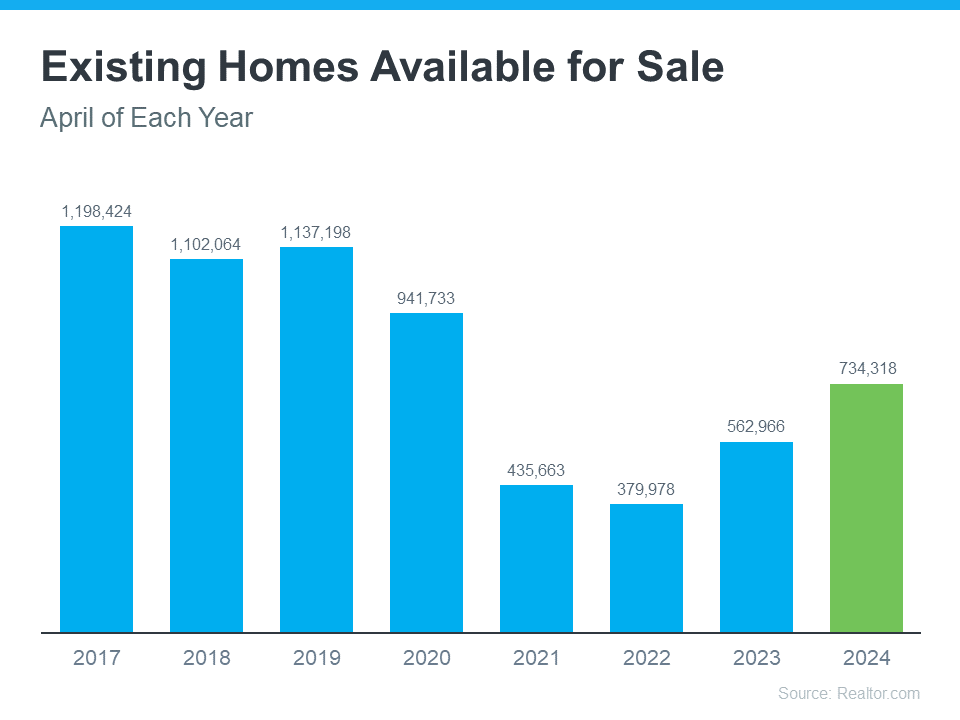
There are more homes up for grabs this year. The graph below uses the latest data from Realtor.com to show in April 2024 there were more homes for sale than there were over the last few years (2021-2023):
As Realtor.com explains:
“There were 30.4% more homes actively for sale on a typical day in April compared with the same time in 2023, marking the sixth consecutive month of annual inventory growth.”
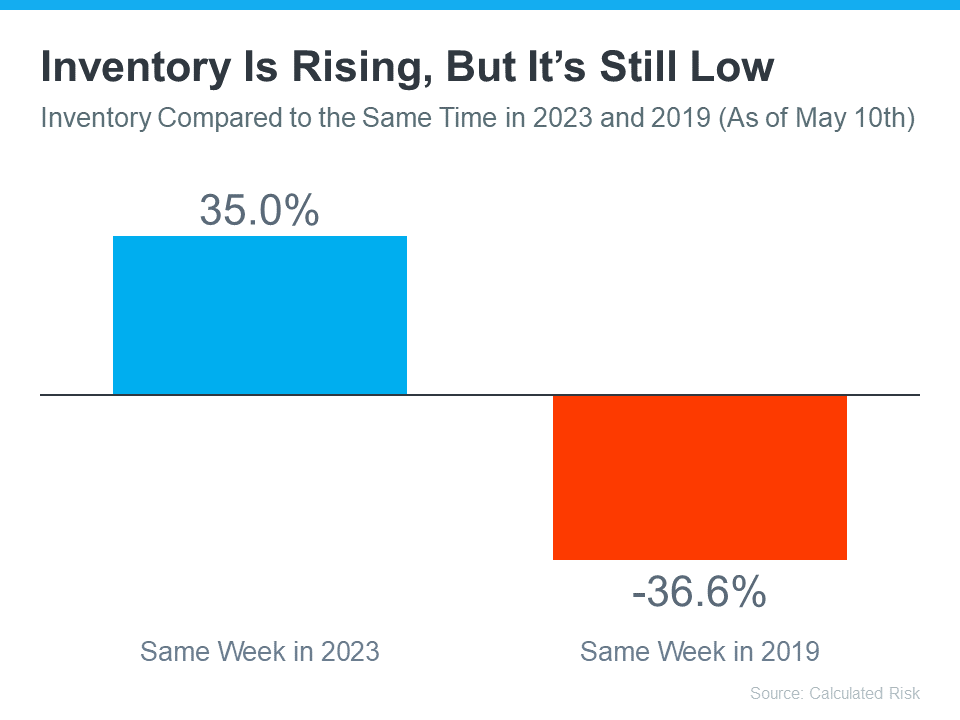
But does this growing inventory make house hunting easier? Yes and no.
Using the latest weekly data from Calculated Risk, the graph below shows, that even with the growth lately, there are still way fewer homes for sale than there were in the last normal year in the housing market:
What Does This Mean for You?
If you’ve been looking to buy but put your plans on hold because you just couldn’t find what you were searching for, you might see more options now than you did over the past few years – but don’t expect a huge selection.
To check out your growing options, it’s a good idea to work with a local real estate agent you trust. Real estate is all about location. And an agent can help you get the scoop on the homes available in the area you’re interested in. Bankrate explains:
“In today’s homebuying market, it’s more important than ever to find a real estate agent who really knows your local area — down to your specific neighborhood — and can help you successfully navigate its unique quirks.”
Bottom Line
Team up with a local real estate agent who can keep you in the loop on everything that might impact your move, like how many homes are up for sale right now.

by Sonia Roman | May 9, 2024 | Buyers, Buying Tips, First Time Home Buyers, Inventory, New Construction
When you’re planning a move, it’s normal to wonder where you’ll end up and what your future home is going to look like. Maybe you’ve got a specific picture of that house in your mind. But unless you came into this process knowing you want to buy a newly built home, you may not have pictured new home construction.
A trusted real estate agent can help walk you through these two reasons you may want to reconsider that.
1. Adding Newly Built Homes Could Give You More Options
There are two types of homes on the market: new and existing. A newly built home refers to a house that was just built or is under construction. An existing home is one a previous homeowner has already lived in. Right now, the inventory of existing homes is tight. But there may be options for you on the new home side of things.
Data from the Census and the National Association of Realtors (NAR) shows that newly built homes are a bigger part of today’s housing inventory than the norm (see graph below):
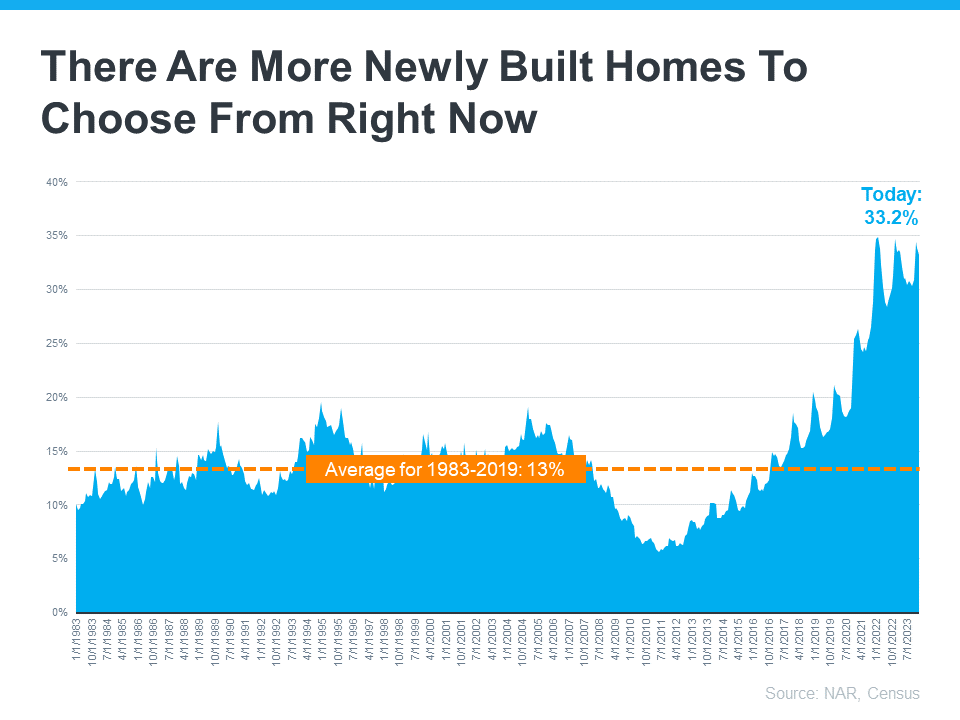
From 1983 to 2019 (the last normal year in the market), newly built homes made up only 13% of the total inventory of homes for sale. But today that number has climbed to over 33%.
Rest assured, after over a decade of underbuilding, builders aren’t overdoing it today. Even with an increase in new construction today, there’s still a significant housing shortage overall. But for you, the uptick in new builds can be a game changer because it gives you more options for your search.
2. Newly Built Homes May Be More Affordable Than You’d Think
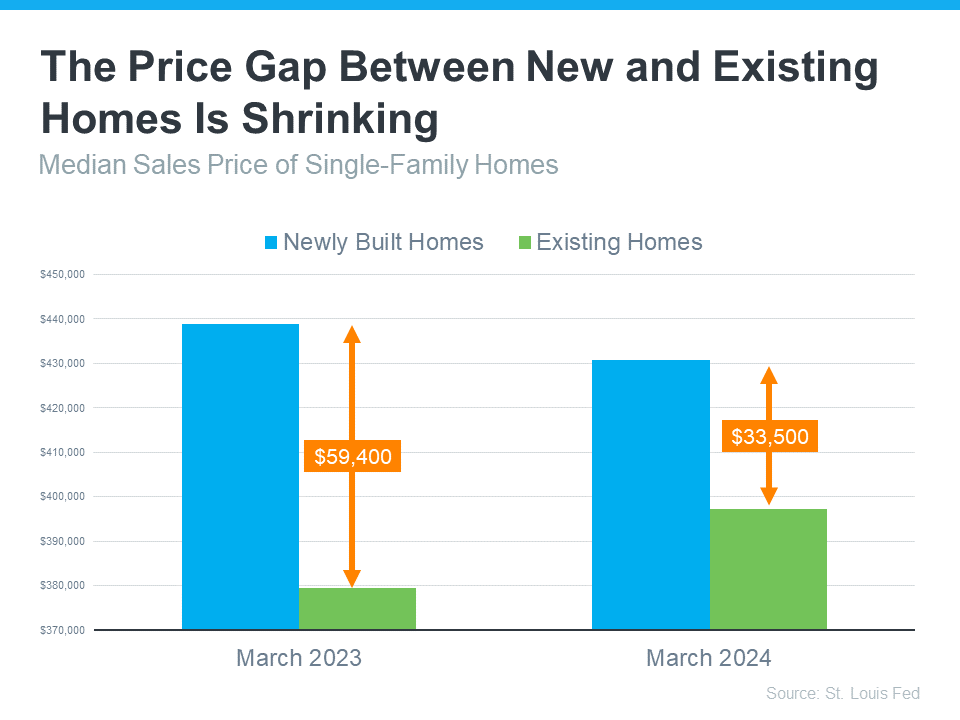
You may still be wondering if a new build could really be an option for you. If you’ve previously written them off because you thought they would be out of your budget, consider this. The price gap between a newly built home and an existing house is shrinking. Here’s why.
Builders are going to build what’s in demand. And they know people need more options right now, especially ones that are smaller and potentially more affordable. So, they’re focusing on building smaller homes at lower price points. The graph below shows the price difference between new and existing homes is shrinking as that happens:
As LendingTree explains:
“In the past, newly built homes have been much more expensive than existing homes — but that gap has been getting smaller recently. In some places today, you may find that the cost to build versus buy is roughly the same.”
And an article from CNBC says:
“While new builds are still sold for slightly more than existing homes, the price gap has significantly narrowed . . .”
Not to mention, some builders are even offering price cuts and mortgage rate buy-downs right now to sweeten the deal. Today there are many reasons new builds may be worth considering. Other buyers sure seem to think so. As Freddie Mac says:
“As the supply of existing homes for sale remains low and home prices continue to rise, more buyers are choosing to purchase new homes than in previous years.”
Just know that buying a newly built home isn’t the same as buying an existing one. Builder contracts have different fine print. So, partner with a local agent who knows the market, builder reputations, and what to look for in those contracts so you have an expert on your side to help you explore this option.
Bottom Line
If you want to find out what builders are doing in your area, connect with a real estate agent. And if you’re willing to cast a wider net to open up your options even more, that agent can talk to you about broadening your search to include other towns nearby.
